Doorman Services on the Upper East Side: Leader Guide
What should residents feel when they step through the front door: warmly welcomed, confidently protected, or both? On the Upper East Side, an entrance is part of a building’s daily experience, and its staffing should reflect both hospitality and security needs. Choosing doorman services Upper East Side property leaders can rely on means finding that balance without making the lobby feel impersonal.
A traditional doorman presence and a security-conscious concierge role can overlap, but they aren’t identical. The right scope depends on the property, its residents, and the responsibilities expected at the entrance. Regal Security provides Concierge Services and Unarmed Security Officers for residential communities, with a tailored approach to planning an appropriate presence.
This guide explains how concierge and security roles differ, what building leaders can consider when defining service needs, and how a professional partner can support a welcoming, attentive entrance. Use the practical framework below to assess your property’s priorities and plan an approach suited to its residents and operations.
Table of Contents
What Doorman Services Mean for an Upper East Side Property?
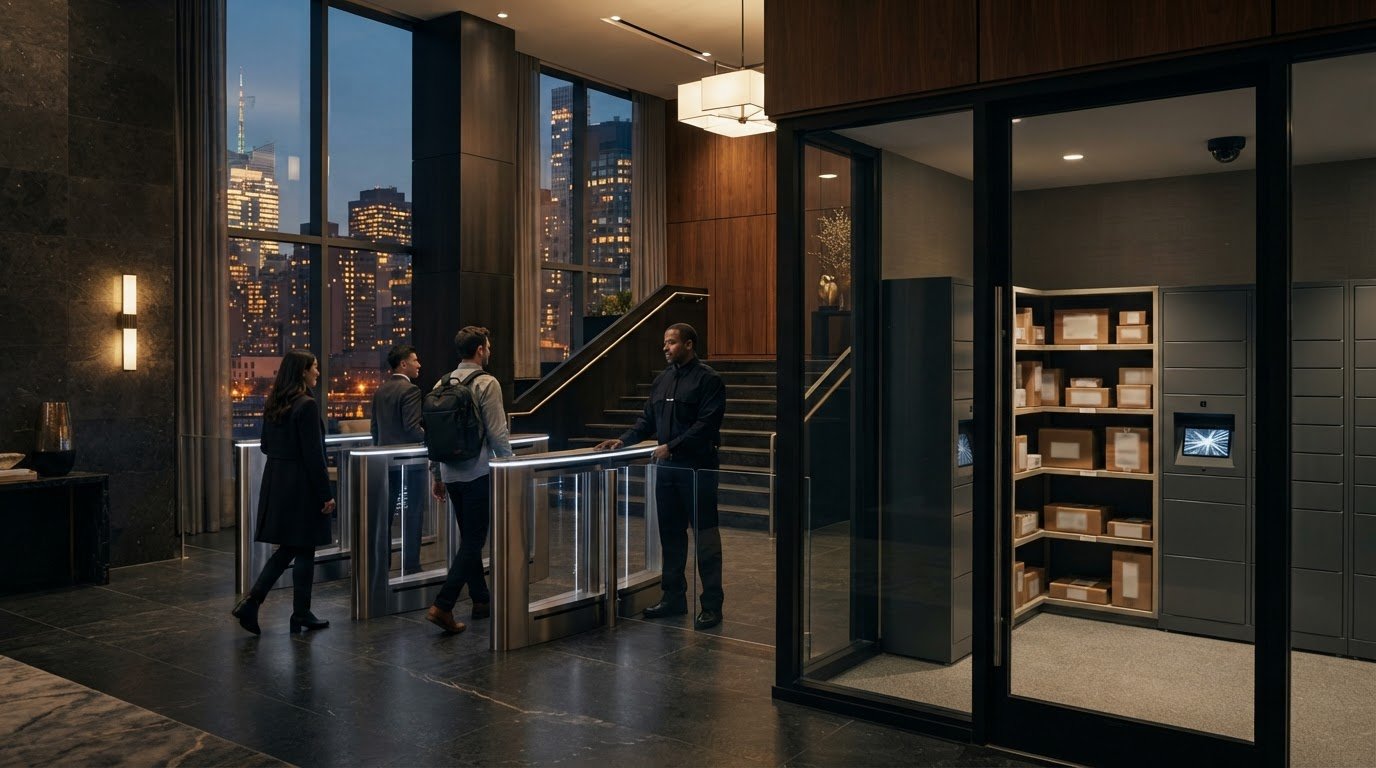
Doorman services describe a professional entrance presence shaped around a property’s needs, resident expectations, and building operations. In an Upper East Side residence, that presence may combine courteous, resident-facing service with attentiveness to the lobby and the people entering the building. Define the scope for the property rather than assuming every role called “doorman” includes the same responsibilities.
A doorman serves the building’s entrance and the people moving through it; a general receptionist typically provides a broader point of welcome or information. The distinction matters because a residential entrance role may call for a different balance of familiarity, service, and security-conscious awareness than an office reception desk. The term covers varied responsibilities and has evolved over time, as the overview of the Doorman (profession) illustrates.
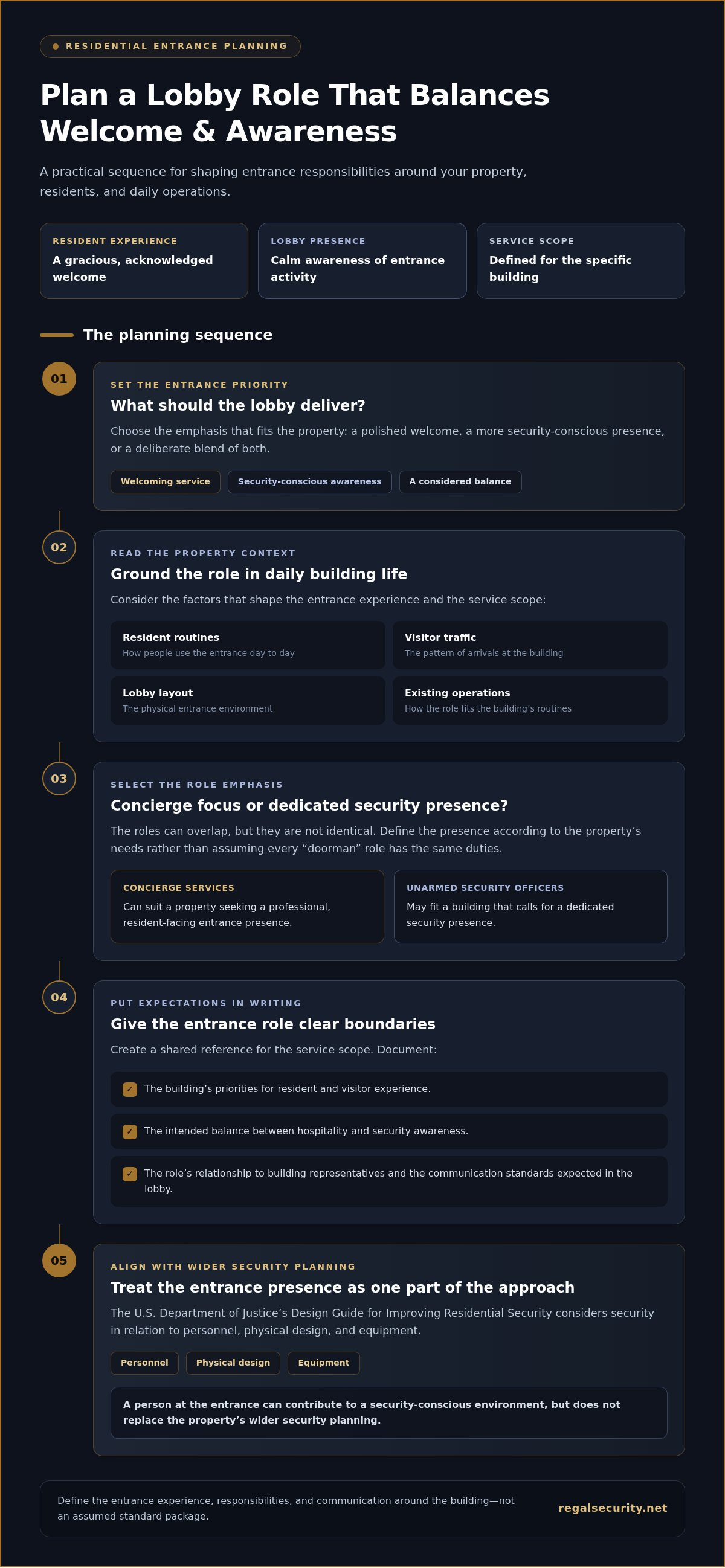
Start by deciding what the entrance should accomplish. A building may prioritize a polished welcome, a more security-conscious presence, or a deliberate blend of both. Resident routines, visitor traffic, the lobby layout, and existing operations can all shape the role. Doorman services Upper East Side buildings use should therefore reflect specific property priorities, not an assumed standard package.
How the Entrance Shapes the Resident Experience
The lobby often frames a resident’s return home and a visitor’s first impression of the building. A consistent, professional presence can help arrivals feel orderly and acknowledged, whether a resident is returning from a neighborhood errand or a guest is arriving for a visit. These everyday interactions contribute to a property’s character, though they do not guarantee a particular satisfaction or retention outcome.
At a busy entrance, clarity matters as much as courtesy. Residents and visitors benefit when the person at the entrance understands the role and communicates with composure. A building’s expectations might emphasize a gracious welcome, awareness of lobby activity, or a balance of the two. Choose the emphasis according to how the property operates and what residents value.
Doorman Service and Concierge Security
Concierge security brings a hospitality-minded approach together with a security-conscious presence. It isn’t simply a reception function, and the phrase does not prescribe one fixed set of duties. The property and service provider define the scope, including the entrance responsibilities and how the role fits building operations. For more on this blended function, see the concierge security officer guide.
Regal Security serves residential communities with Concierge Services and Unarmed Security Officers. A concierge emphasis can suit a property seeking a professional, resident-facing entrance presence, while an unarmed officer may fit a building that calls for a dedicated security presence. Planning helps property leaders describe the desired experience and security role, then align the service scope with those priorities.
How Professional Doorman Services Support a Security-Conscious Lobby
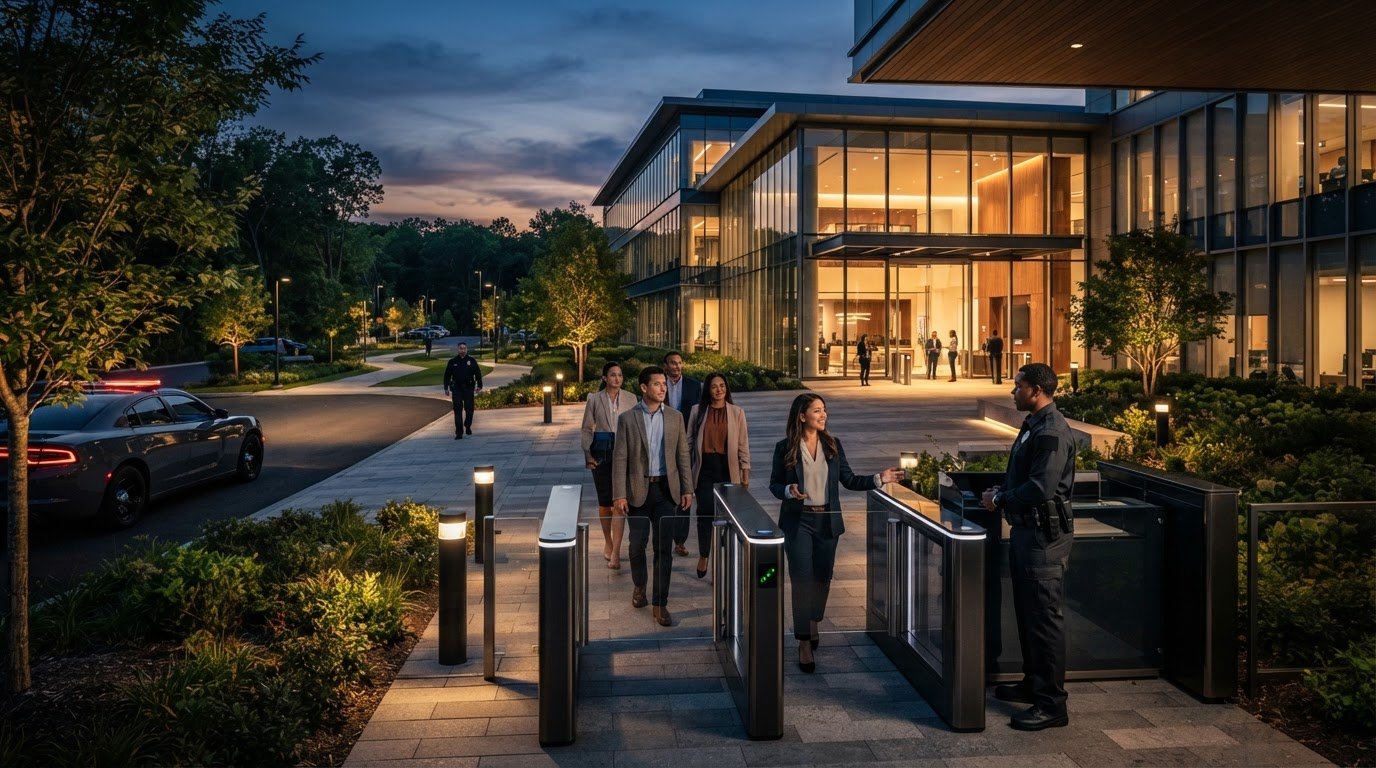
A professional entrance presence can help a residential lobby feel orderly and attentive without turning it into an impersonal checkpoint. Courtesy, awareness, and clear communication work together: residents should feel acknowledged, visitors should encounter a composed welcome, and building representatives should share an understanding of the entrance role. This presence can contribute to a security-conscious environment, but it does not eliminate every risk or replace the property’s wider security planning.
A defined entrance role gives a residential community a consistent point of welcome and awareness, aligned with how the building operates. For doorman services Upper East Side property leaders are considering, that definition is central. Buildings differ in their routines, resident expectations, lobby layouts, and operational priorities, so tailor the service scope rather than assuming one approach will fit every property.
Welcoming Presence Without Losing Professional Focus
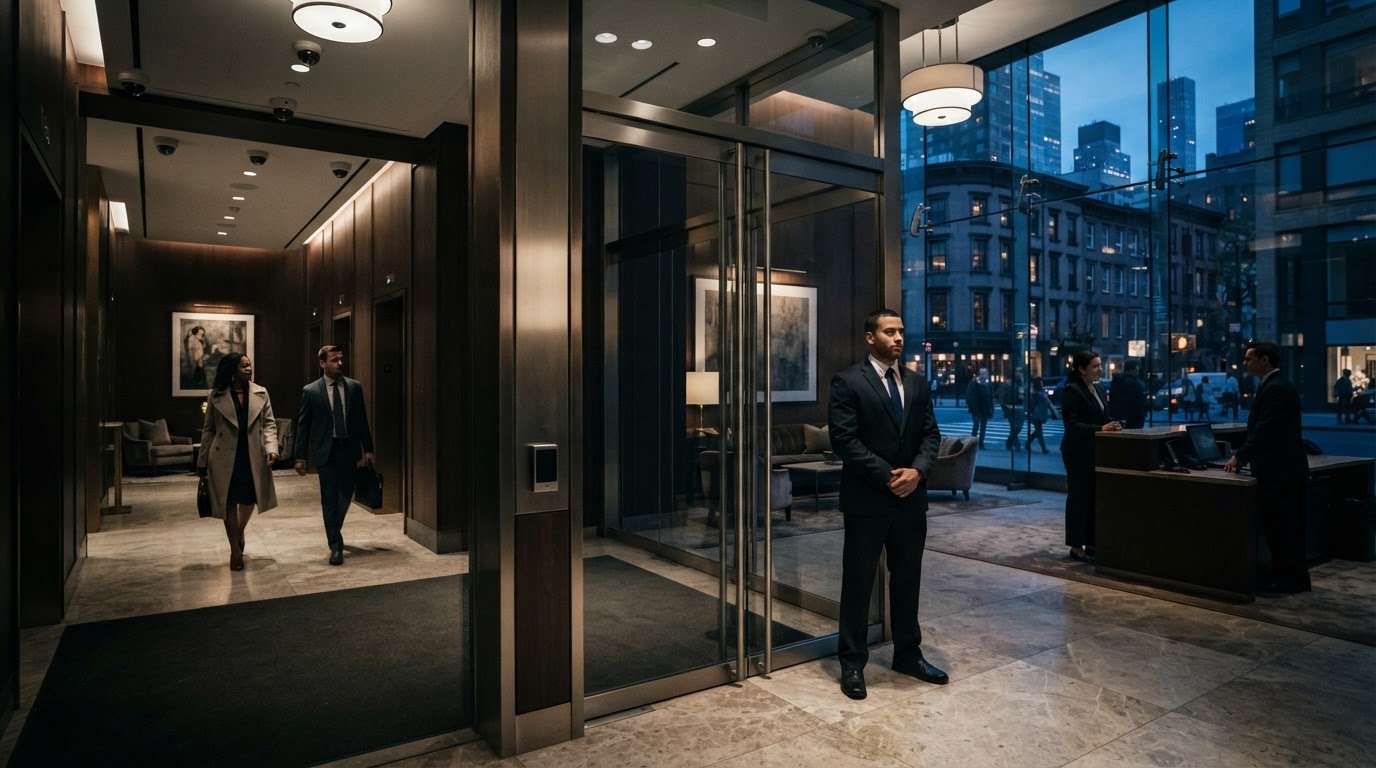
Professionalism need not come at the expense of warmth. A courteous greeting can coexist with a calm, observant manner, whether a resident returns home, a guest arrives, or a building representative needs to communicate an operational concern. These examples describe qualities a property may value, not a fixed list of duties. The service plan should establish the role’s responsibilities and boundaries.
Setting Clear Expectations for the Lobby Role
Written expectations translate a building’s priorities into a coherent service scope. Property leaders can describe the intended balance of hospitality and security awareness, the role’s relationship to building representatives, and the communication standards expected in the lobby. This gives everyone a common reference point and helps align the service with daily operations. Regal Security’s concierge security services offer more context on this combined approach.
As a planning aid, the U.S. Department of Justice’s Design Guide for Improving Residential Security considers security in relation to personnel, physical design, and equipment. That broader perspective can help building leaders see an entrance role as one part of the property’s overall approach, rather than treating a person at the desk as a complete security plan.
Before setting expectations, document:
The building’s priorities for resident and visitor experience.
The intended balance between hospitality and a security-conscious presence.
How entrance responsibilities relate to building operations.
What communication between the entrance role and building representatives should support.
These points provide a practical basis for reviewing whether the service scope remains aligned with the property’s needs as operations or expectations change. Regal Security serves residential communities with Concierge Services and Unarmed Security Officers, tailoring its approach to property priorities. Building leaders planning an entrance presence can learn more about Regal Security’s residential security services.
Doorman Services or Security Officers: Which Approach Fits Your Building?
Neither a concierge-led entrance nor a dedicated unarmed security officer presence is automatically right for every residential property. The decision turns on what the building wants its lobby presence to emphasize: a polished, resident-conscious welcome, a dedicated security focus, or a tailored plan that balances both. When assessing doorman services Upper East Side property leaders need, focus on which role fits the building’s priorities rather than which title sounds preferable.
Consider the desired entrance experience alongside the property’s operating needs. A building with hospitality as its main emphasis may give greater weight to a concierge presence. If leaders identify a need for a dedicated security presence, an unarmed security officer may be more appropriate. Both approaches can be professional and attentive, but their purpose and agreed responsibilities should be clear.
When a Concierge-Led Entrance Approach Makes Sense
A concierge-led approach can suit a property that places particular value on a composed, welcoming entrance and resident-facing service. It lets building leaders consider hospitality within a broader residential security plan, rather than treating the lobby experience and security-conscious presence as separate concerns. Tailor responsibilities to the property instead of assuming them from the word “concierge.”
For example, leaders might prioritize a professional point of welcome and a service style consistent with the building’s character. That emphasis can guide the plan without presuming specific tasks or technologies. Regal Security’s Concierge Services can form part of a tailored approach for residential communities.
When to Consider Unarmed Security Officers
An unarmed security officer may better suit a property whose priority is a dedicated security presence at the entrance. The distinction is one of service purpose, not a promise of particular equipment, enforcement powers, or outcomes. Set the role’s responsibilities in relation to the property’s needs and operating plan.
This guide to professional unarmed security officers explores the role in greater depth. For a building weighing its options, a clear description of the intended presence and scope is more useful than relying on titles alone.
A practical comparison starts with three questions:
Resident experience: Should the entrance primarily convey hospitality, security awareness, or a deliberate balance?
Service purpose: Is the property seeking a concierge emphasis or a dedicated unarmed security presence?
Scope: What responsibilities and communication expectations should be part of the tailored plan?
The answers help leaders describe what the building needs without assuming every Upper East Side property shares the same routines or priorities. They also provide a basis for aligning the service role with the entrance experience residents expect and the property’s operating requirements.
How to Plan Doorman Services for an Upper East Side Building
A well-planned entrance service begins with the property, not a job title. Before defining the role, consider the resident experience the building wants to support, how the entrance fits into daily operations, and what communication will help the service work in concert with the community. This gives doorman services Upper East Side properties a clear purpose while allowing the scope to reflect each building’s needs.
Define the property’s needs before defining the service role. This helps prevent a generic list of duties disconnected from the building’s character. A residential community has different priorities from a corporate facility or event setting, even when each needs a professional presence. Keep the plan grounded in the building’s residents, entrance environment, and day-to-day expectations.
Identify the Building’s Priorities and Daily Context
Start by describing the entrance experience the property wants to support. Consider how residents and visitors should be welcomed, what building operations require, and whether the central emphasis is concierge service, a dedicated unarmed security presence, or a tailored combination. The objective is to establish priorities that can guide an appropriate service scope, not to assume particular tasks.
Be specific about the setting. A residential lobby serves an ongoing community, while a corporate or event environment may have different patterns and objectives. For a residential building, consider the lobby’s role in daily routines and the tone that best reflects the property. Local context can inform those choices without relying on broad assumptions about neighborhood risk.
Align Service Scope, Communication, and Management
Once priorities are clear, translate them into a written scope. State the entrance role’s responsibilities, the intended balance of resident-facing service and security awareness, and how communication with building representatives should support operations. Clear expectations align the service plan with the property’s daily environment and give leaders a useful basis for reviewing whether the approach continues to fit.
Regal Security develops tailored security solutions for residential communities and has a dedicated management team available 24/7. That management availability provides a point of continuity for the service relationship, while the property’s stated priorities guide the plan. It does not replace the need to define the role and communication expectations clearly.
Use this sequence to organize the planning discussion:
Identify priorities: Describe the resident experience and entrance environment the building wants to support.
Define the role: Set the intended service emphasis and responsibilities in relation to those priorities.
Align expectations: Document communication needs and how the role fits property operations.
Review the approach: Revisit the plan as building needs or expectations change.
This framework keeps decisions focused on fit rather than assumption. For a tailored approach to your building’s entrance and security priorities, explore Regal Security’s residential services.
Regal Security’s Tailored Doorman Services for Upper East Side Properties
Choosing an entrance service is a decision about the character and priorities of a residential community, not simply the title assigned to the person in the lobby. Regal Security serves residential communities with Concierge Services and Unarmed Security Officers, using a tailored approach to property security. For leaders considering doorman services Upper East Side buildings can align with residents’ expectations, start by defining the experience and presence the property wants to support.
Regal Security brings decades of experience to its security services and has a dedicated management team available 24/7. These foundations support a considered service relationship, while the plan itself is shaped around the property’s needs. The goal is to align the agreed scope with the building’s priorities rather than assume every residence requires the same arrangement.
A Professional Partner for Residential Communities
A residential entrance calls for judgment as well as professionalism. Courtesy and a composed presence can reflect a building’s character, while clearly defined responsibilities give the role purpose within property operations. Regal Security plans services with attention to each client’s requirements, bringing integrity, precision, and a commitment to the community being served.
For one property, a concierge emphasis may be central to its preferred resident experience. Another may prioritize a dedicated security presence through Unarmed Security Officers. Concierge Services and Unarmed Security Officers are distinct service options to consider in light of the building’s priorities. Tailor the scope to the property and define responsibilities clearly.
A Clear Next Step for Property Leaders
Owners and managers can begin by outlining what they want the entrance to convey and how the role should relate to building operations. A clear brief identifies the property’s priorities, desired balance of hospitality and security awareness, and communication needs. These details give the planning process a useful foundation.
Property priorities: Describe the needs and expectations particular to the residential community.
Entrance experience: Identify the tone the building wants residents and visitors to encounter.
Service emphasis: Consider whether Concierge Services, Unarmed Security Officers, or a tailored plan best fits those priorities.
With decades of experience, a tailored approach, and a dedicated management team available 24/7, Regal Security offers property leaders a professional partner for planning residential security services. To discuss your building’s priorities and desired entrance experience, explore Regal Security’s trusted security solutions.
Shape an Entrance Experience Your Community Can Trust
A building’s entrance is part of how residents experience home. Turn your community’s priorities into a clear direction: consider the atmosphere you want to create, the presence that suits the property, and how that role should support daily life in the building. Doorman services Upper East Side leaders can shape around their residents can help create an entrance that feels welcoming and thoughtfully managed.
Start with your property’s character and expectations, not a fixed template. A considered discussion can help clarify which service approach fits. Regal Security works with residential communities to develop tailored security solutions, supported by decades of experience and a dedicated management team available 24/7.
Take the next step toward an entrance plan that reflects your building and its residents. Begin shaping your property’s security approach with Regal Security. A clear sense of what matters most is a strong foundation for moving forward with confidence.
Frequently Asked Questions
What do doorman services typically provide for a residential building?
Doorman services typically provide a professional presence at a building’s entrance, with responsibilities shaped by the property’s expectations. The role may emphasize greeting residents and visitors, maintaining a courteous lobby presence, or supporting a security-conscious environment. A building can decide whether its entrance role should focus primarily on hospitality or include a more explicit security purpose. The agreed scope matters more than assumptions based on the title.
Are doorman services the same as concierge security?
No. Doorman services is a broad description of an entrance role, while concierge security expressly combines a service-minded approach with security awareness. The terms can overlap, but they don’t define identical responsibilities in every building. Describe the experience you want residents and visitors to have, then define the role’s scope accordingly. This helps avoid expecting security responsibilities from a position planned only around hospitality.
Can a security officer provide a welcoming lobby presence?
Yes. A security officer can maintain a courteous, professional manner while serving in a dedicated security role. The building’s expectations should clarify how the entrance presence is intended to feel and what responsibilities belong to the position. For instance, a property may value a calm greeting alongside attentiveness to the lobby environment. A welcoming manner and a security-conscious purpose can complement each other without implying that every incident can be prevented.
How should an Upper East Side property decide what doorman service it needs?
Start with the building’s priorities, not a standard notion of what an Upper East Side lobby should provide. Consider the resident experience, the entrance environment, and whether the property’s primary emphasis is concierge service, a dedicated security presence, or a tailored combination. Compare those needs with daily building operations before defining the role. Regal Security serves New York City, New Jersey, and surrounding areas, including Manhattan, Brooklyn, Queens, the Bronx, Staten Island, and Long Island, as well as Nassau County, Suffolk County, Westchester County, Rockland County, and Orange County.
What is the difference between a doorman and an unarmed security officer?
A doorman generally describes a building entrance role, while an unarmed security officer identifies a dedicated security position. The titles suggest different emphases, but they don’t establish the exact duties at a particular property. A building might favor a resident-facing welcome or prioritize an officer’s security presence. In either case, written expectations help residents, managers, and personnel understand the role’s purpose.
Do doorman services suit luxury residential buildings?
They can suit a luxury residence when the service approach reflects the building’s standards and resident expectations. A prestigious address alone doesn’t determine the right role. Leaders might consider the tone of the lobby, the desired level of resident-facing service, and whether a dedicated security presence is a priority. A tailored plan can support the property’s character without relying on assumptions about what every luxury building requires.
How can property managers define the scope of doorman services?
Property managers can define the scope by documenting the role’s purpose, expected resident-facing manner, key responsibilities, and communication with building representatives. Make the description specific enough to guide daily work and align it with property operations. For example, distinguish a concierge emphasis from a dedicated security role rather than using one title to imply both. Review the written scope as building priorities evolve so expectations remain clear.