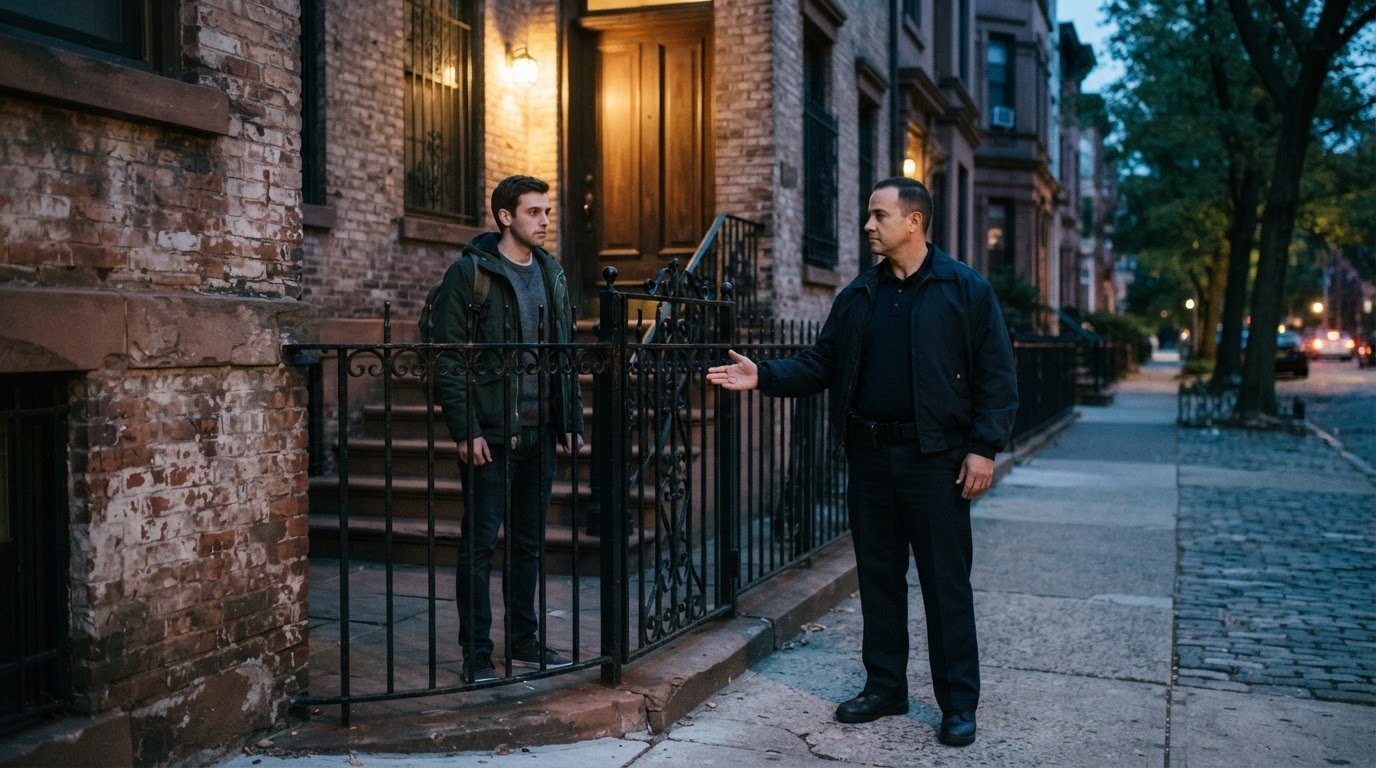
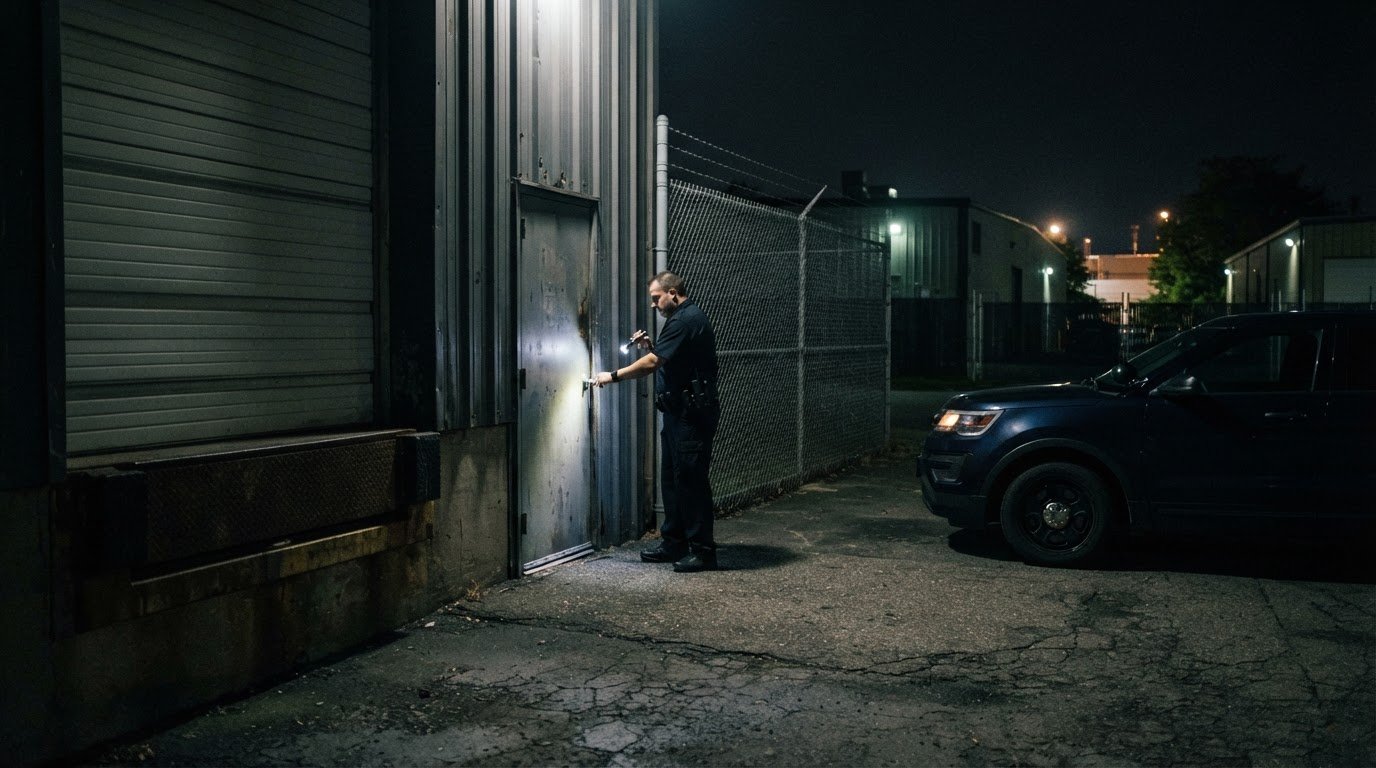
Security Guard Checklist for Daily Patrols: What to Check
A patrol is only as reliable as the route and checkpoints it covers. A security guard checklist for daily patrols should guide officers through assigned areas, required checkpoints, access points, perimeter conditions, hazards, and significant findings that need to be recorded. These checks help make patrol duties consistent and give the next shift a clear account of what was observed.
Patrolling property, managing building access, conducting security checks, responding to emergencies, and writing reports are all part of a security officer’s work. Because duties vary by site, a useful checklist follows the property’s post orders rather than relying on a one-size-fits-all route.
This guide explains what to review before a shift, how to inspect routes and checkpoints, what to watch for around buildings and restricted areas, and how to document and hand over findings. Use it as a practical framework for consistent, accountable daily patrols.
Table of Contents
What Makes a Strong Security Guard Daily Checklist?
A strong security guard checklist for daily patrols turns post orders into clear, site-specific checks. It identifies assigned routes, access points, restricted areas, hazards, and the findings officers must record. Before starting, check in according to site procedures, receive a handover, review alerts, and confirm that keys or access cards, a charged radio, and a working flashlight are ready.
The checklist should reflect the property. Offices need checks of reception access, tenant areas, and server rooms; apartments need attention to shared entrances, amenity spaces, and visitor procedures. Warehouses may require checks of loading bays and storage zones, while retail sites may focus on public entrances, service doors, and stock areas. Use the site’s post orders to define the relevant route and checkpoints.
In the United States, state and local requirements can affect guard duties, licensing, and incident reporting, so operations must follow applicable rules and site procedures. For example, according to the California Bureau of Security and Investigative Services, California security guards must complete required Power to Arrest training as part of registration requirements.
During a daily patrol, an officer checks assigned points, building access, doors and windows, perimeter conditions, safety hazards, and any required equipment or systems. Essential building-and-grounds checks include entrances, gates, fences, lighting, emergency exits, shared spaces, and restricted rooms. The route and post orders determine which checks apply at each location.
Confirm entry credentials and equipment before patrol. Verify keys or access cards, radio operation, and required identification so the officer can follow assigned access procedures.
Observe each entrance and gate during the assigned route. Look for unsecured doors, unfamiliar visitors, propped-open access points, or signs that someone entered without authorization.
Check visitor procedures at shared entrances. Confirm visitors follow the site’s sign-in and sign-out process, and communicate access concerns to the supervisor.
Review restricted zones and access records. Check that server rooms, cash-handling rooms, and other controlled areas are secure; note signs of tailgating or unexplained access.
Assess access between 24-hour areas and other spaces. Identify sections in use around the clock and check that movement into other parts of the building remains controlled.
Inspect visible perimeter boundaries and access points. Look for gaps or damage in fences and walls, unsecured gates, poor lighting, and damage that could affect site security.
Patrol safely by following post orders, maintaining communication, and staying within assigned duties. Don’t attempt repairs or confront hazards beyond your training. Instead, follow site procedures, notify a supervisor, and document what you observed. Security officers support emergency response but do not replace police, firefighters, or paramedics.
Inspecting doors, windows, gates, and perimeter areas
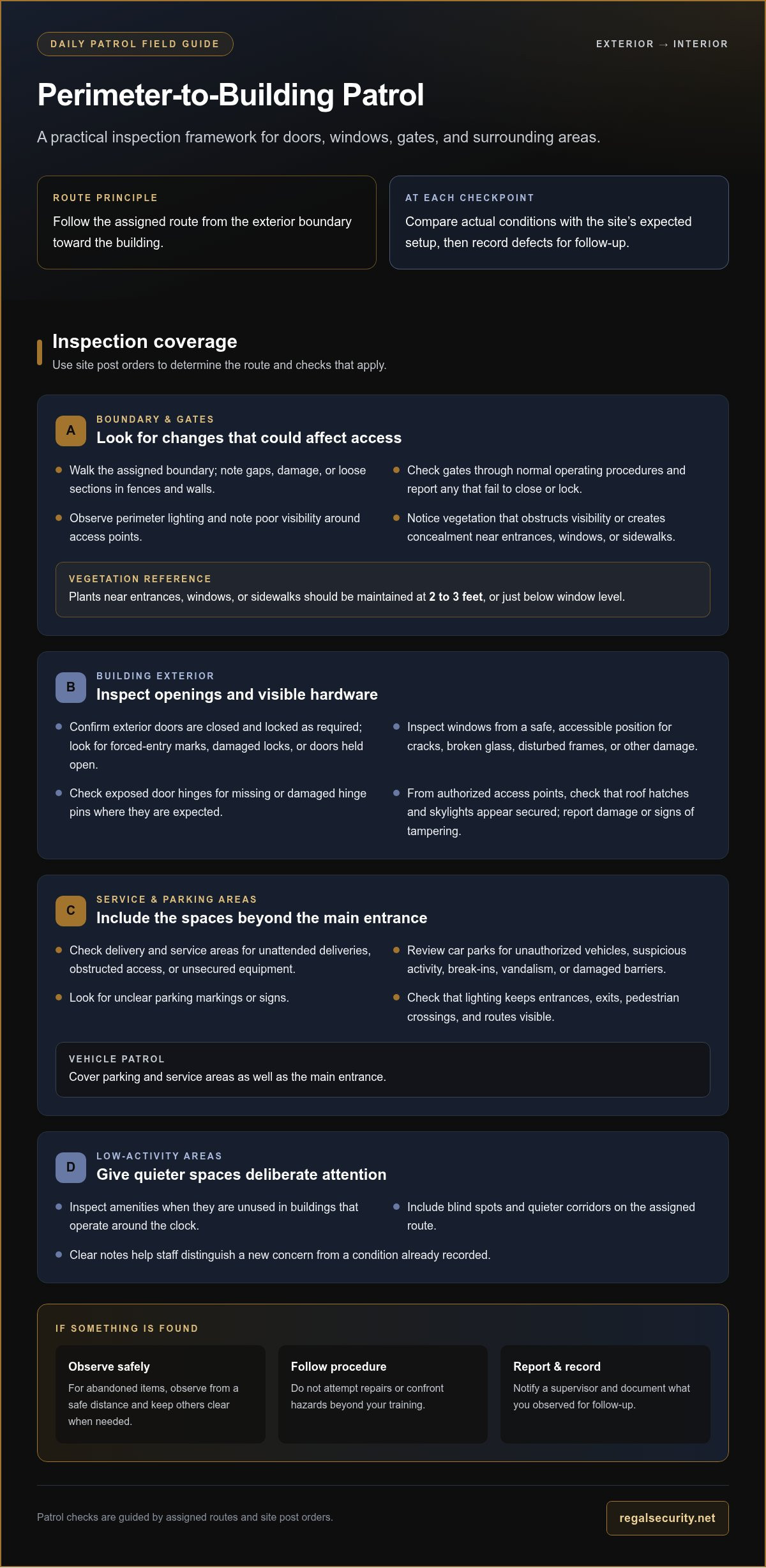
Follow the assigned route from the exterior boundary toward the building. At each checkpoint, compare actual conditions with the site’s expected setup, then record any defect for follow-up. A vehicle patrol should cover parking and service areas as well as the main entrance.
Pay particular attention to low-activity spaces. In buildings that operate around the clock, inspect amenities when they’re unused, as well as blind spots and quieter corridors. Clear notes help staff distinguish a new concern from a condition already recorded.
Check exterior doors for security. Confirm each door is closed and locked as required, and look for forced-entry marks, damaged locks, or doors held open.
Inspect windows from a safe, accessible position. Look for cracks, broken glass, disturbed frames, or other signs of damage that may need an incident report.
Examine perimeter fences and walls. Walk the assigned boundary and note gaps, damage, loose sections, or other changes that could affect access control.
Test gates through normal operating procedures. Confirm perimeter gates are secured as directed, and report a gate that fails to close or lock.
Look at exposed door hinges. Check whether hinge pins are present where expected, and document missing or damaged hardware for maintenance.
Assess vegetation near entrances and windows. Note areas that obstruct visibility or create concealment; plants near entrances, windows, or sidewalks should be maintained at two to three feet, or just below window level.
Scan for abandoned items near the perimeter. Observe from a safe distance, keep others clear when needed, and follow site procedures for reporting the item.
Check roof hatches and skylights from authorized access points. Confirm they appear secured, and report damage or signs of tampering rather than attempting repairs.
Inspect delivery and service areas. Verify these spaces are clear and secured, and note unattended deliveries, obstructed access, or unsecured equipment.
Review car parks for access and safety issues. Look for unauthorized vehicles, suspicious activity, break-ins, vandalism, damaged barriers, and unclear parking markings or signs.
Observe parking and service-area lighting. Check that fixtures appear operational and that entrances, exits, pedestrian crossings, and routes remain visible.
Review lighting at key entrances. Confirm exterior lights provide visibility along the patrol route, and report dark areas or failed fixtures.
Inspect mechanical and utility areas from approved routes. Look for water leaks, moisture, slip hazards, and unsecured equipment without operating or repairing it.
Recheck blind spots and less-active areas. Compare what you observe with earlier route checks, especially around unused amenities, service corridors, and perimeter vegetation.
Record every actionable defect. Note the location, observed condition, and reporting step taken so the supervisor can direct follow-up.
Alarm and security-system checks
A patrol check verifies visible condition and status, not whether equipment works technically or needs repair. Follow post orders and operate only controls you’re authorized to use. If a panel, camera, or alarm shows a fault, record what you observed and report it through site procedures.
What should guards check for fire hazards, alarms, and emergency exits? Confirm that exit routes are clear, fire extinguishers are accessible and charged, and emergency exit lighting works. Check that alarms appear activated, emergency shut-off locations remain clear, and the AED and first aid kit are accessible.
Review alarm panels from the designated access point. Note visible fault indicators, trouble messages, or an unexpected change in status for authorized follow-up.
Check that security alarms appear activated as required. Compare the visible status with site instructions, and report any discrepancy instead of changing settings.
Observe cameras along the assigned patrol route. Look for visible damage, obstruction, or a camera that appears improperly aimed, then record its location.
Follow the site procedure for camera-view checks. Where monitoring access is authorized, note whether the expected view is available and report a blank or obscured image.
Identify how alarm monitoring is arranged. Follow post orders to determine whether alerts go to a centralized monitoring station or designated site personnel.
Report damage to security equipment promptly. Include the device location and observed condition so responsible personnel can assess the issue.
Keep system operation within assigned duties. Don’t reset, disconnect, troubleshoot, or repair equipment unless specifically assigned and appropriately trained.
Inspect fire extinguishers without interfering with them. Confirm they’re accessible and appear charged, then report obstruction or a visible concern through site channels.
Check emergency exits and their lighting. Confirm routes are clear, exits remain functional, and exit lights appear operational during the patrol.
Look for fire hazards in common areas. Note blocked exit routes, combustible items near heat sources, or other conditions requiring prompt reporting.
Verify emergency resources remain accessible. Check the designated AED, first aid kit, and emergency shut-off locations for obstruction.
Include unresolved system faults in handover. Tell the incoming officer what was observed, who was notified, and what follow-up remains outstanding.
For example, a camera obstruction near a residential building’s shared entrance may affect visibility for monitoring personnel. Record the exact location and notify the designated contact instead of repositioning equipment. A clear handover keeps the issue on record until authorized staff address it.
Daily activity and incident reports
A daily activity report accounts for routine work; an incident report documents a specific event. During each shift, record completed patrols, checkpoints visited, observations, safety concerns, maintenance issues, and notifications. For example, note that you visited a loading-area checkpoint and observed a damaged latch.
Follow the property’s reporting procedures and use its required forms. Record facts promptly, distinguish your own observations from information supplied by visitors or other personnel, and avoid assumptions about intent. If an incident report receives a reference number, include it in the activity log to maintain continuity.
Record the time and location of each notable event. A precise entry helps supervisors identify where an issue occurred and connect it with the relevant patrol.
Describe what you directly observed. Write “the east stairwell door stood open” rather than guessing who opened it or why.
Identify people involved using relevant details. Include names or descriptions when available, and distinguish witnesses from people directly involved.
Document actions taken during the incident. Note whether you secured an area, contacted a supervisor, or followed an emergency procedure.
Record who received the notification and when. Naming the supervisor or designated contact clarifies the communication trail and supports follow-up.
Include available evidence without altering it. Note relevant camera locations, photographs, or physical conditions according to site procedures.
Log visitor and restricted-area concerns. Record a missing visitor sign-in, an access-control concern, or unusual activity using neutral, factual language.
Track unresolved property issues. List a broken light, unsecured door, blocked access point, or malfunctioning gate, then note its escalation status.
Complete the activity report even when no incident occurred. Record patrols and checkpoints completed so the shift has a clear operational record.
Use a separate incident report for significant events. A detailed account preserves the event’s timeline, people involved, observations, actions, and notifications.
Before leaving, review entries for missing locations, unclear descriptions, or conflicting times. During handover, brief the incoming officer on unresolved incidents, equipment problems, unusual activity, and locations needing attention. For an open concern, state the last action taken and who was notified. Clear records help the next shift continue follow-up without relying on memory or informal messages.
A clear handover gives the next officer a practical starting point. If an event requires emergency response, follow site emergency procedures and your training, prioritize life safety, and notify appropriate emergency services or personnel when required. Communicate relevant information and document the incident, distinguishing personal observations from information received from others. Report property concerns, such as damaged fencing, through the site’s escalation procedures, and record any incident report number.
Assigned patrol routes and checkpoints
A route turns post orders into a sequence of locations officers can check. It may cover building interiors, exterior boundaries, parking areas, warehouses, or loading zones. Assigned checkpoints show which areas received attention, while recorded observations help the next shift understand site conditions.
How often should security guards conduct patrol rounds? Follow the frequency set out in the site’s post orders, and change it only with authorized direction. The schedule should reflect the property’s layout, active areas, identified risks, and emergency procedures, rather than an assumed universal interval.
Use the same method at each checkpoint: arrive, observe, assess, record, and report. Depending on the assigned area and site instructions, patrol on foot or by vehicle. Cover every required point while remaining alert to changing activity.
Review the assigned route before beginning. Confirm required checkpoints, patrol frequency, emergency contacts, and reporting procedures in the post orders.
Follow the sequence unless authorized direction changes it. A consistent route helps show which locations were visited and highlights missed checkpoints.
Record each checkpoint as it is completed. Timely entries make the patrol record more dependable than relying on memory at shift end.
Inspect interior routes as assigned. Check hallways, corridors, stairwells, and site-specific spaces for blocked access or unusual activity.
Include exterior points on the route. Observe perimeter sections, entrances, gates, and delivery areas for new hazards or suspicious conditions.
Give parking areas deliberate attention. Look for unauthorized vehicles, signs of break-ins, vandalism, unsafe crossings, or obstructed vehicle access.
Use a vehicle only where the route permits. Vehicle patrol can help cover larger areas, while foot patrol allows closer observation at checkpoints.
Note conditions that differ from the previous patrol. A newly blocked exit, damaged gate, or unfamiliar vehicle deserves a clear location and time entry.
Respond to an emergency according to site procedures. Prioritize life safety, communicate with appropriate personnel, and document actions after immediate response steps.
Report suspicious activity through the designated channel. Describe observed behavior and location, rather than making assumptions about a person’s intent.
Communicate missed or inaccessible checkpoints. Explain the obstacle and notify the supervisor so the gap is visible in the patrol record.
Pass unresolved concerns to the incoming officer. A concise handover identifies areas needing renewed attention on the next round.
A route is valuable when it provides both coverage and meaningful observations. A completed checkpoint record shows where the officer went; clear notes explain what changed, what hazard was observed, and what action followed. This distinction helps supervisors assess the shift and direct attention where the site needs it.
Regal Security: Unarmed Security Officers
Regal Security provides Unarmed Security Officers for properties that need a professional on-site presence to support access procedures and routine patrols. Vehicle Patrol can complement coverage across expansive grounds or parking areas. Concierge Services can suit buildings where visitor reception and security procedures intersect.
These services provide on-site personnel to carry out assigned duties and follow property procedures. A patrol checklist helps define routes, checkpoints, observations, and reporting expectations for the assignment.
To discuss security coverage for your property, visit Regal Security.
Put Your Patrol Plan Into Practice
A checklist is most useful when it reflects how a property operates. Treat it as a working document: update checkpoints when site activity changes, clarify who receives reports, and carry unresolved concerns into each handover. This gives officers a consistent framework while keeping patrols responsive to the building and its occupants.
A security guard checklist for daily patrols can help clarify the level of on-site support your property needs. Regal Security offers Unarmed Security Officers, Concierge Services, and Vehicle Patrol for different security needs. The right fit depends on whether your priority is a visible presence, visitor-facing support, or patrol coverage across a larger property.
If you are ready to discuss security support for your property, contact Regal Security. A thoughtful next step can help translate your site’s needs into a clear, practical approach. Your patrol plan can begin with care and develop with purpose.
Frequently Asked Questions
What Are the Main Duties of a Security Officer?
A security officer helps protect people and property through observation, access control, patrols, and clear communication. Duties can also include monitoring alarms or video systems, responding according to site procedures, and preparing reports. For example, if a visitor attempts to enter a staff-only corridor, the officer follows the access procedure, alerts the appropriate contact, and records the event rather than making assumptions about the visitor’s intent.
What Equipment Might a Security Guard Use?
Equipment depends on the assignment and site procedures. It may include a charged radio, flashlight, keys or access cards, and required uniform identification. If an assignment requires a body camera, use it as directed. Before departure, confirm essential equipment is present and working. Report a faulty radio or depleted flashlight battery so communication and visibility aren’t compromised.
What should guards inspect at doors, windows, gates, and access points?
Check each point for changes from its expected condition, not just whether it appears closed. Compare a door’s condition with the previous patrol record, and note fresh damage, an unfamiliar obstruction, or a change to access arrangements. Follow authorization rules before entering controlled spaces; don’t force a lock or handle suspected tampering. Record the location and promptly report any condition that could affect secure access.
How should guards document patrols and report incidents?
Write a factual, chronological account that distinguishes personal observations from information provided by others. Include the location, time, identifiable people involved, actions taken, notifications, and relevant evidence. For example, record “visitor reported a missing package” separately from anything you personally observed. Follow site reporting procedures, preserve the original details, and communicate unresolved matters during handover.
What are best practices for using patrol apps, checkpoints, or tour systems?
Use the system according to site instructions, and treat each checkpoint entry as an operational record, not a substitute for observation. Record completion promptly, describe exceptions in the required fields, and report an inaccessible checkpoint instead of marking it complete. For organizations managing sites across New York City, New Jersey, Manhattan, Brooklyn, Queens, the Bronx, Staten Island, Long Island, Nassau County, Suffolk County, Westchester County, Rockland County, and Orange County, consistent procedures help keep records clear across locations.