The Anatomy of a Professional Executive Protection Detail: A Strategic Reference
Updated: Jul 23
The most sophisticated security is not a show of force, but a masterpiece of quiet precision that remains invisible until the moment it is required. You likely recognize the inherent flaw in "security theater," where aggressive posturing and unnecessary commotion draw the very attention you seek to avoid. For many leaders, the fear that an executive protection detail might disrupt the flow of a business day or struggle with the logistical maze of Manhattan is a genuine concern. Protection should always act as a stabilizing force, not a source of friction.
This guide provides a comprehensive look at the anatomy of professional security, offering clarity on how elite teams maintain safety without intruding on your private or professional life. We'll explore the rigorous personnel standards required for corporate environments and the logistical planning that happens behind the scenes. You'll gain a clear understanding of the "advance" work and operational structures that allow for a seamless, discreet presence in any high-stakes environment.
Table of Contents
What is an Executive Protection Detail? Defining the Structure
An executive protection detail is not merely a group of individuals; it's a meticulously structured system designed to provide a stabilizing force for a specific individual. This unit is inherently scalable, adapting its size and complexity based on the unique risk profile of the client, who is referred to in operational terms as the Principal. While the general public often uses the terms Bodyguard and close protection officer interchangeably, a professional detail represents a higher tier of service that integrates intelligence, logistics, and physical safety into a single, seamless operation. This structure ensures that every movement is planned with precision, allowing the Principal to focus entirely on their professional and personal obligations.
The Hierarchy of a Protection Team
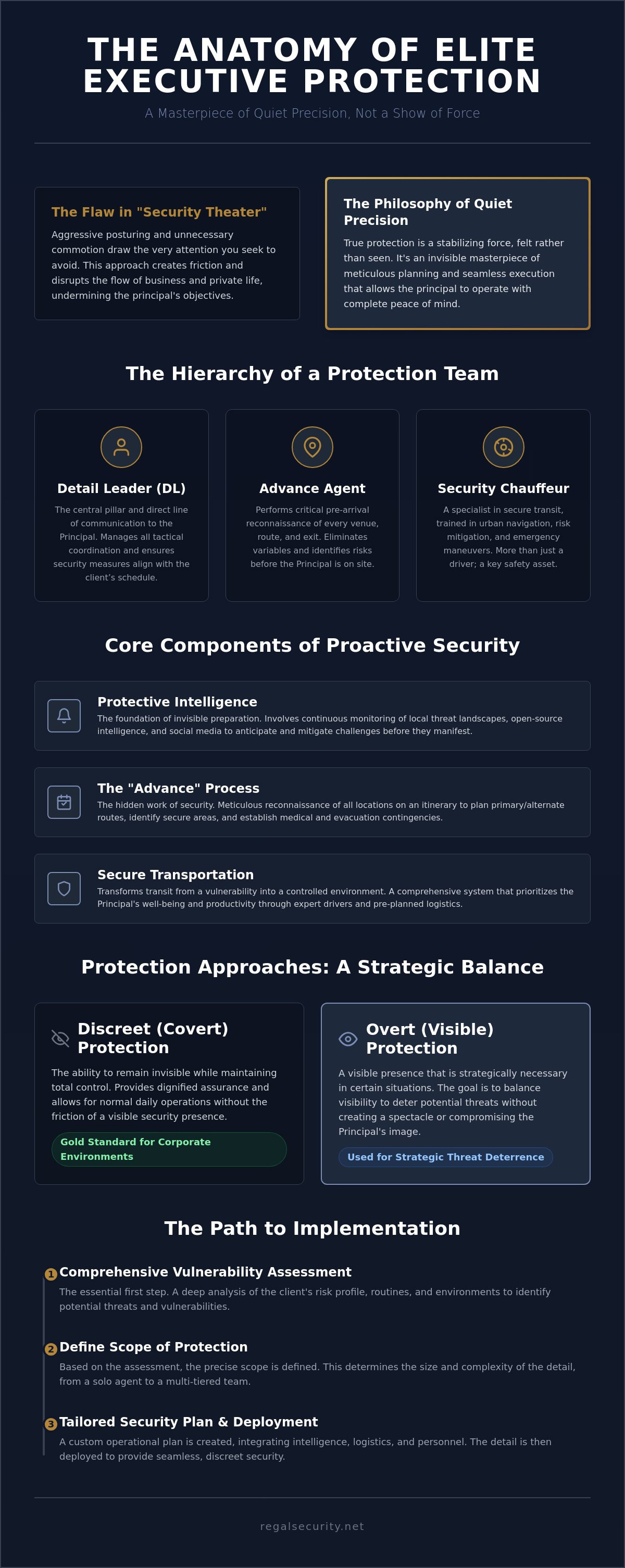
A successful detail relies on a clear chain of command and specialized expertise. The Detail Leader (DL) acts as the central pillar of this structure. This individual manages the tactical coordination of the team and maintains a direct line of communication with the Principal, ensuring that all security measures align with the client’s schedule. Working in tandem with the DL is the Advance Agent. Their role is perhaps the most critical, as they perform pre-arrival reconnaissance of every venue, exit, and route to eliminate variables before the Principal arrives. Rounding out the core team is the Security Chauffeur. These professionals are far more than drivers; they're specialists in secure transit who understand the nuances of urban navigation and emergency maneuvers.
Discreet vs. Overt Protection
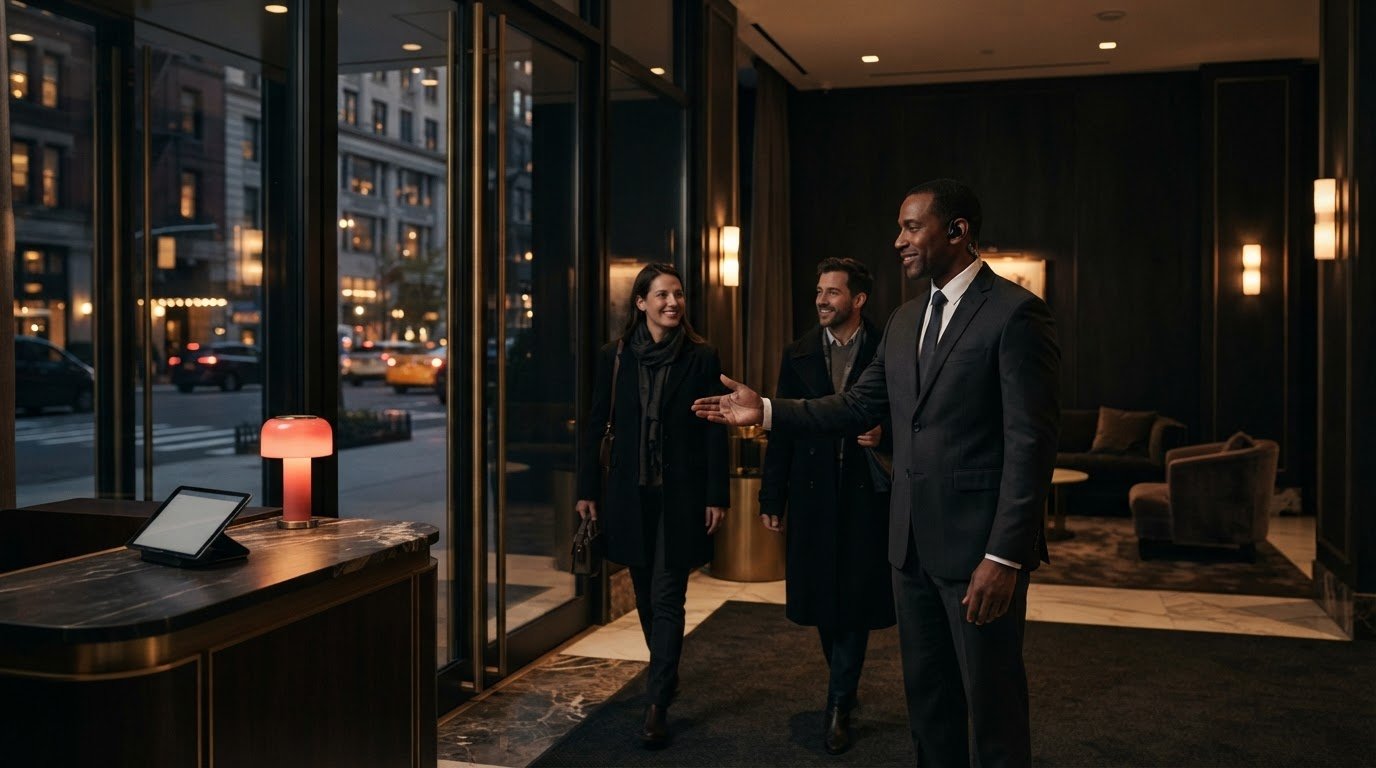
A hallmark of a refined executive protection detail is its ability to remain invisible while maintaining total control. This discreet, or covert, approach is often the gold standard for corporate environments where drawing public attention is counterproductive. It provides a sense of dignified assurance, allowing for normal daily operations without the friction of a visible security presence. However, there are instances where an overt presence is strategically necessary. The goal is always to balance visibility to deter potential threats without ever creating a spectacle that compromises the Principal's professional image. This methodical approach ensures that the security presence is always a stabilizing force, acting with quiet strength and elite capability.
Core Components of a Professional Detail: Beyond the Bodyguard
A professional executive protection detail is built upon a foundation of invisible, meticulous preparation. While the presence of a dedicated agent provides immediate assurance, the true efficacy of the unit lies in its protective intelligence and logistical depth. This high-tier approach mirrors the operational standards of elite government units, such as the U.S. Army Protective Services Battalion, where the mission is defined by proactive mitigation rather than reactive response. By monitoring local threat landscapes, open-source intelligence, and shifting social media narratives, the detail remains a stabilizing force that anticipates challenges before they reach the Principal. This continuous vigilance ensures that every movement is supported by data, not just intuition.
Security is also defined by the quality of transit. Secure transportation involves more than a luxury vehicle; it requires a driver trained in risk mitigation and evasive maneuvers who operates within a pre-planned framework. Every location on the itinerary includes medical and evacuation contingencies, ensuring that the team is prepared for any scenario. This methodical planning transforms the executive protection detail from a simple physical shield into a comprehensive safety system that prioritizes the Principal's well-being and productivity.
The "Advance" Process: The Hidden Work of Security
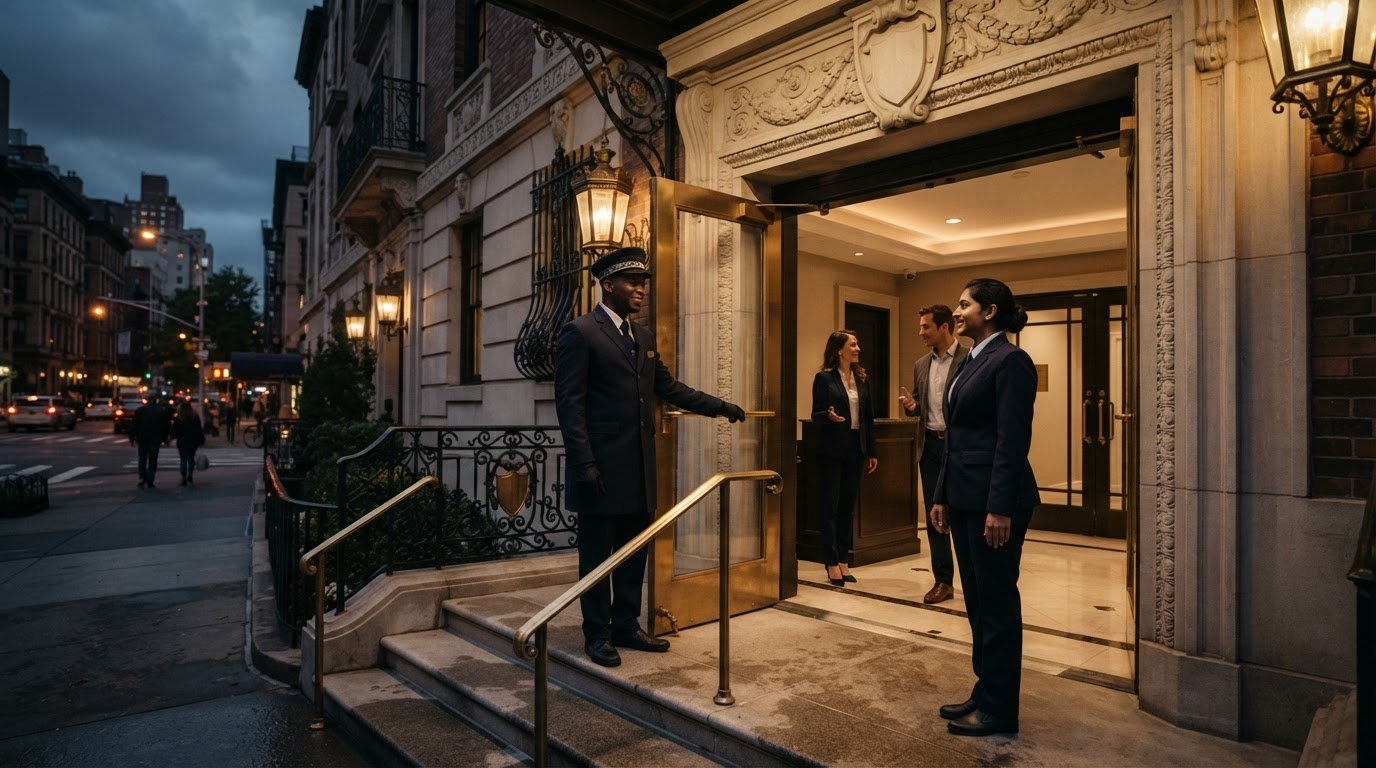
In complex urban environments like Manhattan or sprawling corporate campuses in New Jersey, the "advance" work is the detail’s most valuable asset. Agents don't just arrive at a location; they scout it hours or days in advance to identify safe rooms and secondary exits. This involves liaising with facility managers and concierge security services to ensure a seamless transition from the vehicle to the interior. Route reconnaissance is equally vital. By identifying potential choke points in Tri-State traffic and mapping multiple evacuation contingencies, the team ensures that transit remains both secure and efficient.
Protective Logistics and Hospitality
Modern security requires a delicate balance between vigilance and high-tier service. A sophisticated detail manages the friction of travel, handling luggage, check-ins, and reservations to minimize the Principal’s exposure in public spaces. This requires close integration with a personal assistant or chief of staff, ensuring that security protocols never interfere with the Principal’s professional pace. It's a hospitality-first mindset where the team acts as a quiet partner, facilitating a normal daily routine while maintaining a constant state of readiness. For those seeking this level of refined care, exploring professional security solutions is the first step toward true peace of mind.
The Dignified Approach: Why Professionalism Outperforms Escalation
A common misconception persists that an effective security presence must be aggressive or overtly armed to be successful. In reality, a high-tier executive protection detail thrives on its ability to blend into the environment and resolve potential issues before they become public spectacles. True effectiveness is measured by situational control and the prevention of conflict, not by a show of force. When a team operates with quiet confidence, they act as a stabilizing force that preserves the Principal’s professional image while ensuring their safety remains uncompromised.
In corporate settings and low-threat environments, the presence of unarmed security officers offers a distinct strategic advantage. These professionals prioritize de-escalation and sophisticated communication as their primary tools for conflict resolution. By removing the psychological weight of a visible weapon, agents can interact more naturally within a business setting. This approach ensures that the executive protection detail remains a seamless part of the Principal's day, providing a sense of reassurance without the friction often caused by "security theater."
Quiet Confidence: The Power of Presence
A calm, professional demeanor is often the most effective deterrent available to a security team. When an agent exudes quiet strength, it communicates a level of preparedness that discourages interference without the need for a reactive response. Situational awareness serves as the silent engine of this approach. It allows the team to identify anomalies in the environment, such as an unauthorized individual in a restricted area or a subtle change in crowd dynamics, long before a crisis occurs. This level of precision provides leadership teams with a sense of peace of mind that is rooted in genuine competence rather than posturing.
Vetting for Elite Capability
Selecting the right personnel for an executive protection detail requires looking far beyond a resume of tactical certifications. While technical proficiency is a baseline requirement, elite capability is truly defined by emotional intelligence and interpersonal skills. Agents must be vetted for character, reliability, and their ability to act as both a protector and a service-oriented partner. Consistent training in de-escalation and ethical conduct ensures that every interaction meets a gold-standard level of care. This commitment to moral uprightness ensures that the team reflects the high standards of the Principal, maintaining integrity even under high-pressure conditions.
Operationalizing a Detail in the Tri-State Area: NYC and NJ Logistics
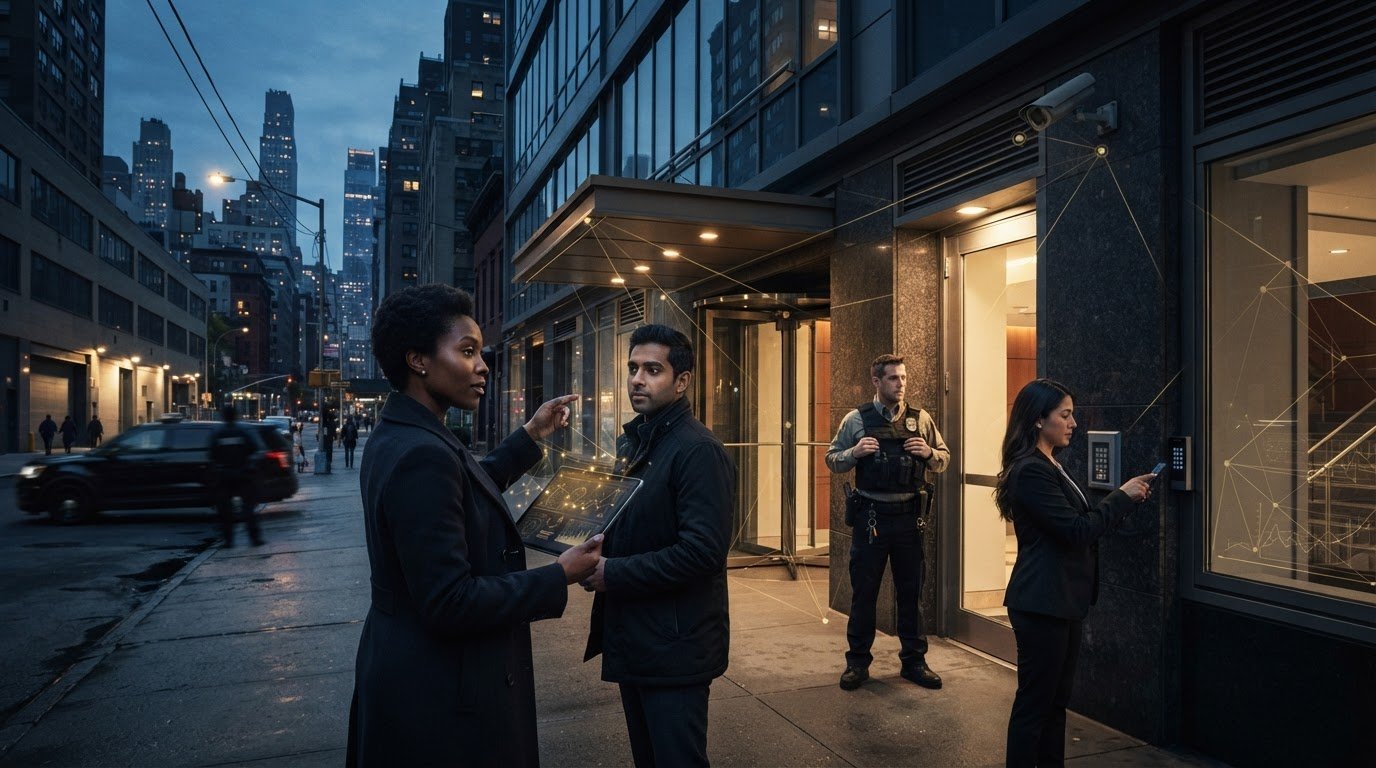
Operating an executive protection detail in the Tri-State area requires more than tactical proficiency; it demands an intimate understanding of the region's complex infrastructure. From the persistent gridlock of Midtown Manhattan to the secluded estates of Westchester and Nassau County, each environment presents distinct logistical hurdles. A local executive protection agency provides the regional knowledge necessary to navigate these variables without disrupting the Principal's schedule. This expertise allows the team to act as a stabilizing force, ensuring that transitions between high-density urban centers and private residential developments remain seamless and secure.
In outer boroughs like Brooklyn and Queens, the focus often shifts toward coordinating with existing residential security within luxury developments. Managing suburban transit in Nassau, Suffolk, or Westchester counties requires a different approach, often involving estate security protocols that prioritize privacy and a low-visibility presence. This geographic versatility is essential for maintaining a high standard of care across diverse settings. The team must be as comfortable in a high-rise boardroom as they are on a quiet residential street in New Jersey.
Manhattan High-Rise Operations
Vertical logistics in Midtown and Wall Street present significant challenges for any security team. Managing elevator timing and secure lobby transitions requires constant communication between the Detail Leader and building staff to avoid public bottlenecks. Advance agents play a vital role here, securing private dining rooms and meeting spaces well before the Principal arrives. Venue reconnaissance for a New York City skyscraper involves a meticulous assessment of freight elevators and service corridors to identify discreet secondary exits that bypass public lobbies.
Tri-State Transit and Vehicle Patrols
Secure transit across the Tri-State area often relies on coordinating with vehicle patrol security services to ensure a safe transition from home to office. Along the I-95 corridor and the Garden State Parkway, teams identify "safe havens" such as secure corporate campuses or vetted facilities where a vehicle can pause if a threat or logistical delay emerges. In the residential neighborhoods of New Jersey, the emphasis is on low-visibility transit, using vehicles and routes that don't draw unnecessary attention to the Principal’s residence. If you require a team that understands these regional nuances, contact Regal Security to discuss your specific operational needs.
Selecting and Implementing Your Executive Protection Detail
The transition from understanding the structure of security to implementing a live operation requires a deliberate and steady approach. Establishing an executive protection detail is not a one-time transaction; it's the development of a long-term partnership rooted in mutual respect and shared standards. To ensure the safety of a high-profile individual, the implementation process must be as meticulous as the operational work itself. By following a structured path, you can ensure that the security presence is a seamless addition to your professional life.
Step 1: Conduct a Vulnerability Assessment. This foundational analysis identifies specific threats and physical weaknesses in your daily routine to create a data-driven security plan.
Step 2: Define the Scope of Protection. Determine whether your needs require a 24/7 presence, ad hoc support for international travel, or specialized coverage for high-profile events.
Step 3: Evaluate Cultural Fit. A detail must mirror the Principal’s professional values and personal preferences to remain effective and discreet within their specific social or corporate circles.
Step 4: Establish Communication Channels. Clear protocols between the detail leader and the Principal’s office prevent logistical friction and ensure rapid response during schedule changes.
Step 5: Review Operational Plans. Security is a dynamic discipline; regular audits allow the team to refine strategies as threat landscapes and personal obligations evolve.
The Consultation: Establishing Trust
An initial security consultation serves as the moment where professional alignment is confirmed. During this meeting, it's vital to ask how the agency handles de-escalation and how they vet their personnel for moral uprightness. You should look for signs of quiet confidence in their leadership. A potential partner should present themselves as an authoritative expert who is equally dedicated to a hospitality-first mindset. This balance ensures the executive protection detail acts as a prestigious guardian that respects your privacy while maintaining elite capability and situational control.
Next Steps: Securing Your Peace of Mind
Choosing to move from a reactive state to a protected one is a significant step toward personal and professional stability. By integrating peace of mind security services into your lifestyle, you allow yourself the freedom to operate with total focus and composure. The presence of a dedicated team provides a stabilizing force that is both dependable and dignified, standing ready to mitigate risks before they manifest. If you are ready to explore a partnership built on integrity and precision, Contact Regal Security to discuss your customized protection detail.
Elevating Your Standard of Safety
A truly elite executive protection detail functions as a silent, stabilizing force that anticipates risks before they ever manifest. By prioritizing meticulous advance planning and a dignified, unarmed approach, professional teams ensure that security never becomes a distraction. You've seen how the convergence of regional expertise and emotional intelligence creates a protective environment where normal operations can thrive. This gold-standard of care is essential for leaders who require safety that reflects their own high professional standards and moral uprightness.
Regal Security brings decades of experience to the NYC and NJ metropolitan area, offering a level of service specifically tailored for complex corporate environments. Our specialists focus on meticulous preparation for every engagement, providing the quiet strength necessary to navigate high-stakes urban logistics with ease. Secure your professional executive protection detail with Regal Security today. We're dedicated to the success and safety of those we serve, providing the peace of mind you need to lead with total confidence.
Frequently Asked Questions
What is included in a standard executive protection detail?
A standard executive protection detail comprises a structured team of specialists, including a Detail Leader and an Advance Agent, who manage both physical safety and operational logistics. The service encompasses comprehensive threat assessments, route planning, and venue reconnaissance to ensure a seamless daily experience. Every detail is tailored to the Principal's specific risk profile and daily professional schedule.
Do executive protection agents always have to be armed?
Agents don't need to be armed to provide effective security, as professional protection relies more on intelligence and de-escalation than force. Unarmed specialists are particularly effective in corporate environments where a discreet, professional presence is preferred. These agents prioritize situational awareness to identify and resolve potential conflicts before they require a reactive response.
How much notice is required to set up a protection detail in NYC?
The time required to establish an executive protection detail in NYC depends on the complexity of the Principal's itinerary and the specific level of risk involved. While some situations allow for rapid deployment, a more comprehensive operation typically benefits from several days of advance planning. This preparation allows agents to scout venues and coordinate logistics across the Tri-State area effectively.
Can a protection detail travel with me internationally?
Professional protection teams are designed to provide continuity of care during international travel. This involves managing the logistical friction of foreign transit and performing advance work in destination cities to identify secure routes and medical facilities. The goal is to maintain a stabilizing force for the Principal regardless of their geographic location or the complexity of the environment.
How does a detail handle my privacy and confidential information?
Privacy is a foundational pillar of professional security, and agents operate with a strict commitment to confidentiality and moral uprightness. Every team member is vetted for character and integrity, ensuring that sensitive corporate or personal information remains protected at all times. This "prestigious guardian" approach ensures that your private life stays private while you remain secure and respected.
What is the difference between a bodyguard and an executive protection agent?
A bodyguard typically acts as a reactive physical shield, whereas an executive protection agent is part of a proactive, intelligence-led system. Agents focus on the "advance" work, scouting locations and identifying threats long before the Principal arrives. This methodical approach prioritizes the prevention of conflict over physical confrontation, acting as a silent partner in the Principal's success.
How does the detail coordinate with my existing building security?
Coordination with existing building security is a core responsibility of the Advance Agent. They liaise with facility managers and concierge staff to secure elevator access, identify secondary exits, and ensure a smooth transition from the vehicle to the interior. This collaborative effort ensures that the detail acts as a seamless extension of the property's existing safety measures without creating friction.
Is executive protection only for high-profile celebrities?
Executive protection is a strategic necessity for corporate leaders, high-net-worth individuals, and anyone facing specific vulnerabilities. While celebrities often use these services, the primary demand comes from professionals who require a secure environment to conduct business without interruption. Protection is about mitigating risk and providing stability for those with significant professional responsibilities.